How to Drink Vermouth: A Complete Guide to Spanish Vermouth Culture and Cocktails
2025-07-17
.png)
_1740738845.jpg)
Vermouth has long been one of the cornerstones of spirit production and consumption. Lauded for its complex flavors and aromatic profile, vermouth has progressed from being used medicinally into becoming an essential bar ingredient, used in some of the most iconic cocktails imaginable. From ancient civilizations through Italian and French producers' innovations all the way through craft cocktail movement innovation, this blog takes an in-depth look back into vermouth history, from its early uses as a curative elixir to its current status as a mixology staple!
Vermouth dates back to ancient civilizations, where wine was often fortified with botanicals for medicinal use. Historical records demonstrate this trend among Egyptians, Greeks, and Romans, all trying various versions of fortifying wine with herbs and spices for therapeutic reasons—treating ailments while improving digestion through early versions of vermouth believed to have healing properties.
Vermouth comes from the German word wermut (wormwood), an aromatic bitter herb widely used early on for its purported health benefits in treating digestive and parasitic infections, particularly intestinal parasites and digestive discomfort. Even Hippocrates was known to prescribe herbal wines in his practice of modern medicine!
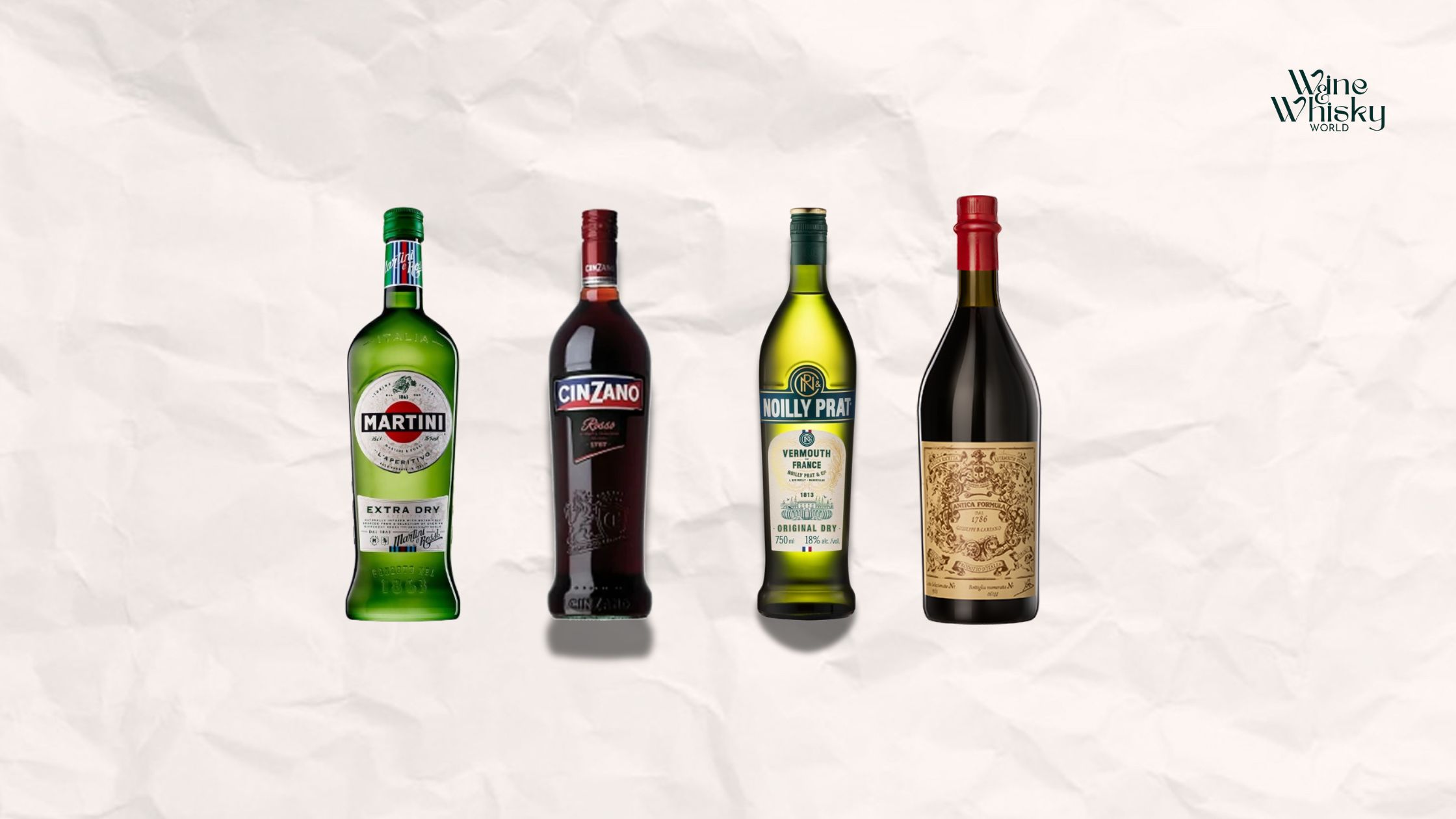
While herbal wines had existed since antiquity, modern vermouth's history took an important step in 1786 when Antonio Benedetto Carpano of Turin in Italy invented what we now recognize as modern vermouth. He created what would later become commercial vermouth production using ingredients including wormwood, spices, and botanicals; his version was sweeter and more refined than its medicinal predecessors, thus marking commercial production for vermouth production.
Carpano’s vermouth quickly gained popularity, particularly among the aristocracy. The drink was no longer just a medicinal tonic but a fashionable aperitif. Following Carpano’s success, other producers, including Martini & Rossi and Cinzano, entered the market, each adding their own unique touch to the recipe. By the 19th century, Italian vermouth had become a staple in European cafes and bars.
Italy was not the only country developing vermouth during this period. In France, producers were crafting a drier style of vermouth that would later become a defining ingredient in classic cocktails. Noilly Prat, established in 1813, became one of the most renowned French vermouth brands, specializing in dry vermouth that paired well with spirits like gin.
French vermouth was often lighter and more herbaceous than its Italian counterpart, catering to different palates and cocktail applications. The development of both sweet and dry vermouth laid the foundation for its widespread use in mixology.
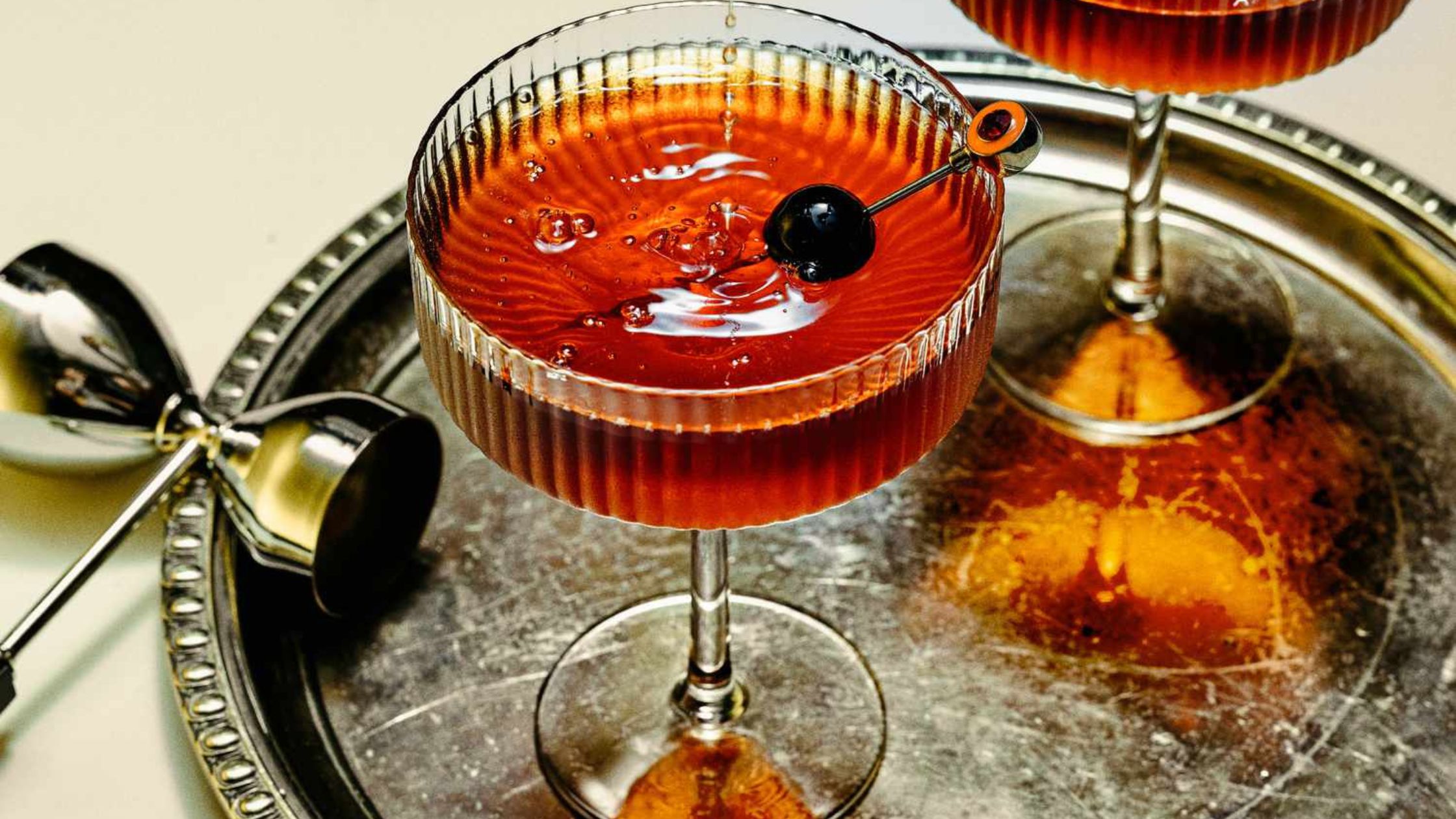
By the late 19th and early 20th centuries, vermouth history took another pivotal turn as it became an essential ingredient in some of the world’s most famous cocktails. Bartenders and mixologists began experimenting with vermouth, finding that its complex flavors enhanced spirits like whiskey and gin.
Some of the most iconic vermouth-based cocktails include:
| Read More Cocktail Recipes |
Vermouth’s versatility made it indispensable in the golden age of cocktails, cementing its place in bars worldwide.
Despite its popularity, Vermouth experienced a decline in the mid-20th century. Changes in drinking habits, the rise of vodka-based cocktails, and the preference for simpler mixed drinks led to a decrease in vermouth consumption. Many bars began using lower-quality vermouth, which further diminished its reputation.
However, the 21st century has seen a revival of vermouth history, thanks to the craft cocktail movement. Bartenders and distillers have rediscovered the importance of high-quality vermouth, leading to the revival of premium and artisanal vermouth brands. Today, producers are experimenting with new botanicals, regional ingredients, and innovative production methods, bringing vermouth back into the spotlight.
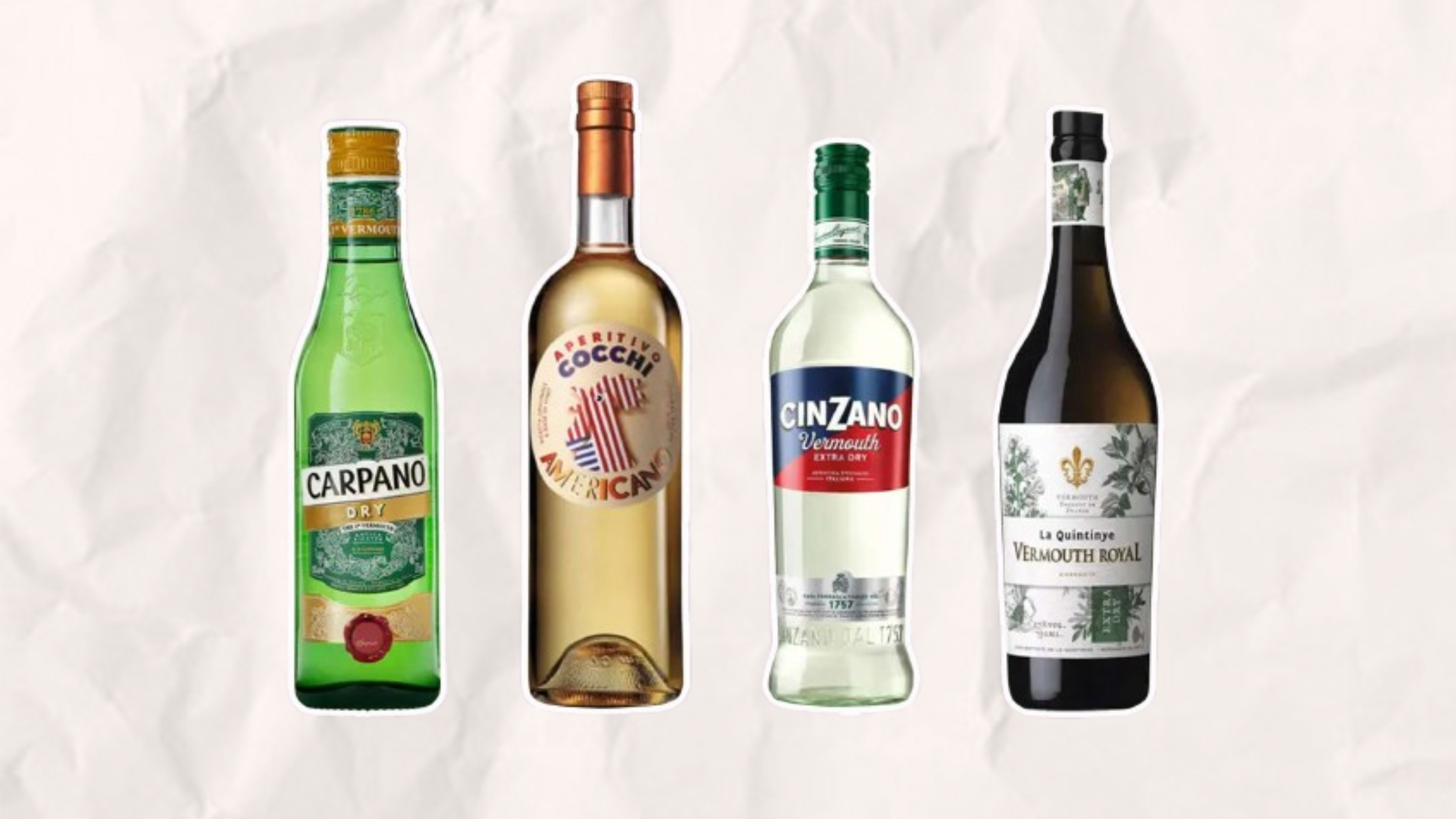
Vermouth is not a one-size-fits-all beverage; there are several styles to explore, each with distinct characteristics:
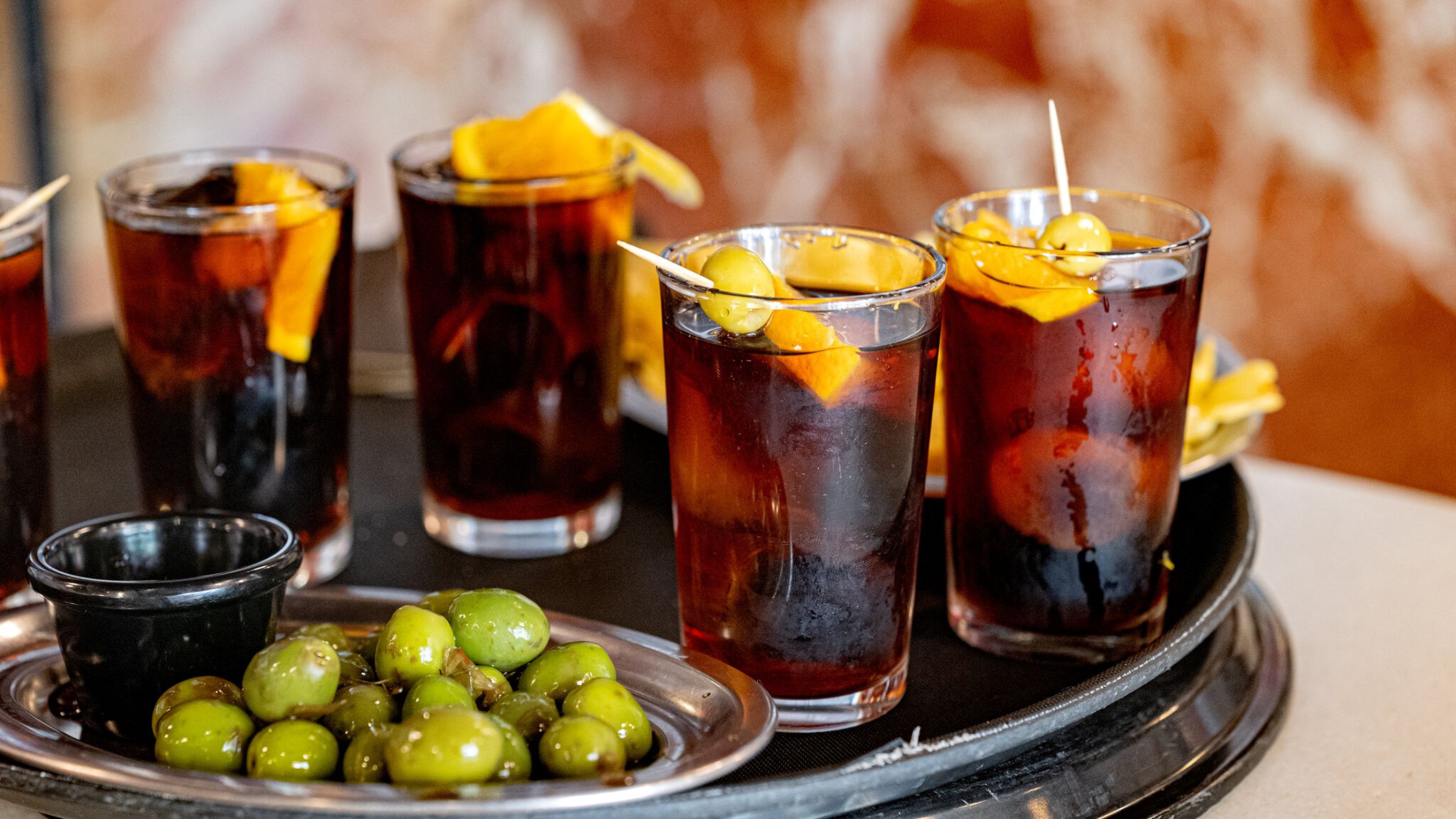
With its revival, there are many ways to enjoy vermouth beyond cocktails. Here are a few suggestions:
As consumer interest in craft spirits and historical beverages grows, vermouth is poised to remain a significant player in the world of mixology. The demand for artisanal and locally produced vermouths is increasing, leading to exciting new expressions that push the boundaries of tradition while honoring its rich past.
Sustainability is also becoming a focal point for modern vermouth producers, with many focusing on organic ingredients and eco-friendly production practices. These efforts ensure that vermouth will continue to thrive for generations to come.
The journey of vermouth from an ancient medicinal tonic to a modern bar staple is a testament to its enduring appeal. Vermouth history is filled with innovation, cultural significance, and a deep connection to both medicine and mixology. Whether you enjoy it neat, in a classic cocktail, or as part of a contemporary creation, vermouth remains an essential part of the spirits world.
Next time you sip a Manhattan or a Negroni, take a moment to appreciate the centuries of tradition that have shaped this beloved beverage. Salut!