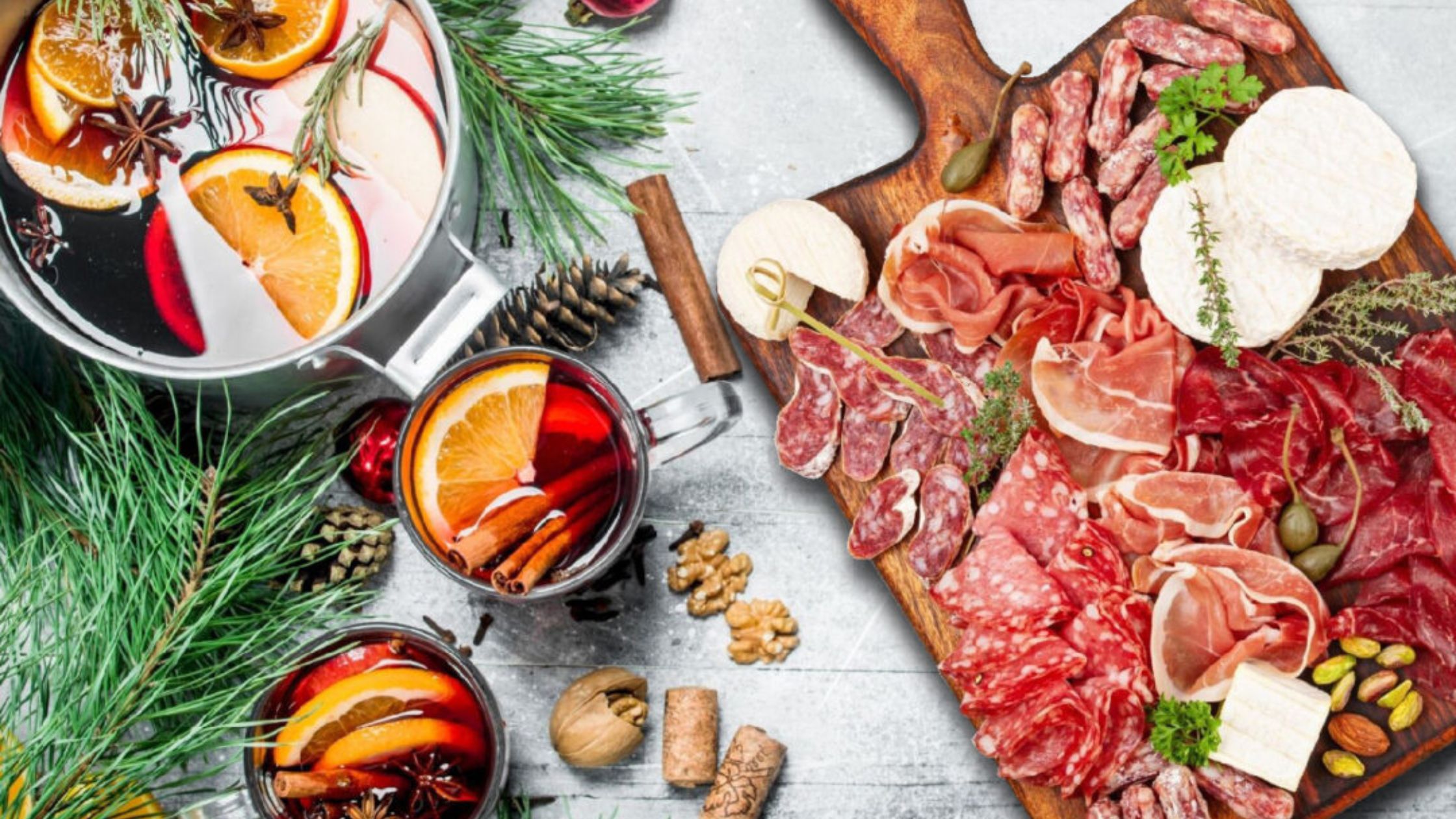
North East India, a land of mystical landscapes, diverse tribes, and vibrant cultures, holds within its borders a treasure trove of culinary secrets. While the world is familiar with its tea, there is another category of beverage deeply entrenched in its ethos that remains largely untapped by the modern market: its traditional, local alcohol.
These aren’t just drinks; they are sacred links to ancestors, indispensable components of festivals, and symbols of hospitality. For the eight states the "Seven Sisters" and Sikkim these brews are the "Liquid Gold" of their heritage. Today, as the global beverage industry shifts towards craft, authenticity, and ethnic flavours, these local drinks present a formidable opportunity for innovators and startups looking to disrupt the status quo.
Tracing the Heritage: Of Spirits and Ancestors
The history of ethnic alcohol in the North East is not found in history books, but in the oral traditions, folklore, and religious rituals of its hundreds of tribes. It is impossible to pinpoint a single "origin," as each community developed its own unique brewing methods, often in isolation, dictated by local flora and climate.
Traditionally, these drinks are primary fermentations of agricultural staples rice, millet, or maize alongside local fruits.
- Origin Myths: Many tribes believe their first master brewer was taught by a deity or an ancestral spirit. For example, some Naga legends speak of spirits teaching the art of brewing Zutho to bring joy and unity to the village. In Sikkim, Chang (millet beer) is offered to deities before consumption, signifying its divine connection.
- Cultural Backbone: No marriage, harvest festival (Bihu in Assam, Hornbill in Nagaland), or funeral is complete without the ritualistic offering and consumption of the local brew. It is a social glue, shared from common vessels like the bamboo Tongba for millet beer, symbolizing unity.
Also Read: History of Whisky: From Monastic Roots to Global Fame
A Tapestry of Flavors: From Apong to Judima
To understand the startup potential, one must understand the diversity. While "rice beer" is the overarching category, the flavor profiles, strengths, and textures vary dramatically.
-
Apong (Assam & Arunachal Pradesh):
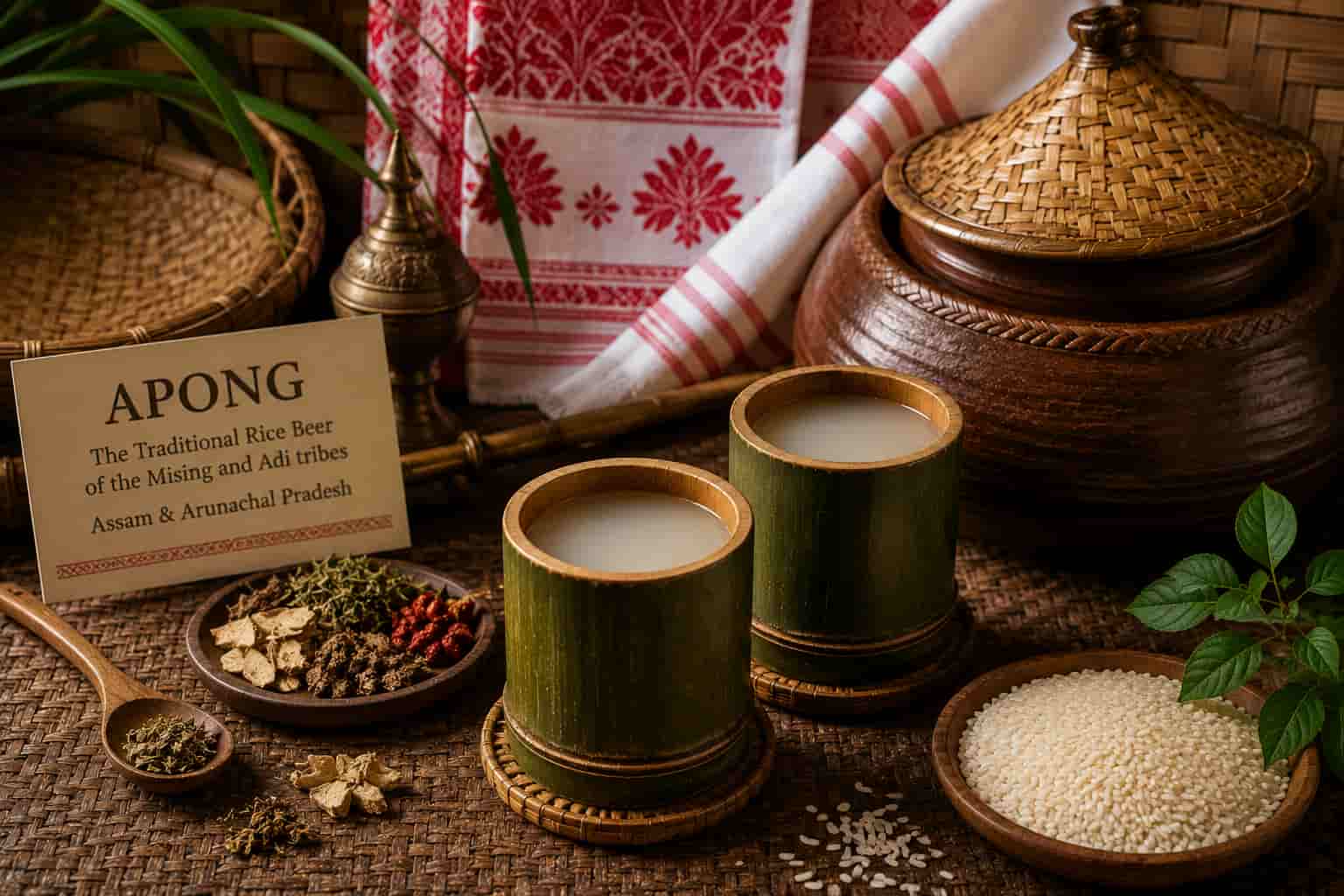
Brewed by the Mising and Adi tribes, Apong comes in two main varieties: the white Poro Apong and the dark, smokier Sai Mod. Its uniqueness lies in the E'pob (starter cake), made from a secret mix of dozens of medicinal plants, giving it a complex, herbaceous profile.
-
Judima (Assam):
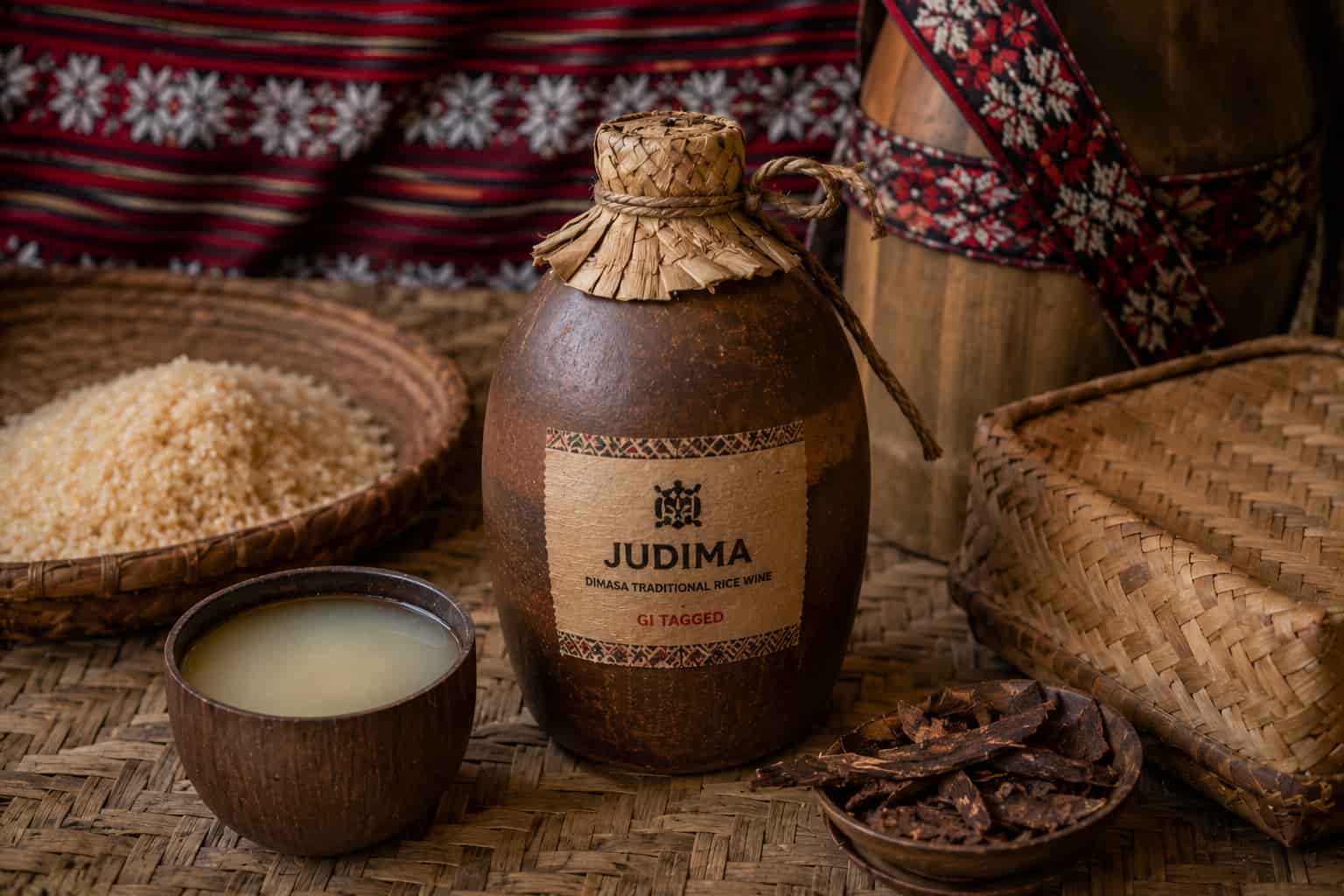
Brewed by the Dimasa Kachari tribe, Judima is perhaps the most globally recognized NE brew today. It is the first traditional beverage from the North East to receive a Geographical Indication (GI) tag. It is a sweet, yellowish rice wine, its flavor derived from the Thempra bark used in its starter cake.
-
Zutho (Nagaland):
.jpg)
The Angami Naga’s Zutho is a milky, whitish rice beer known for its sour taste and fruity aroma, traditionally consumed from bamboo mugs.
-
Kiad (Meghalaya):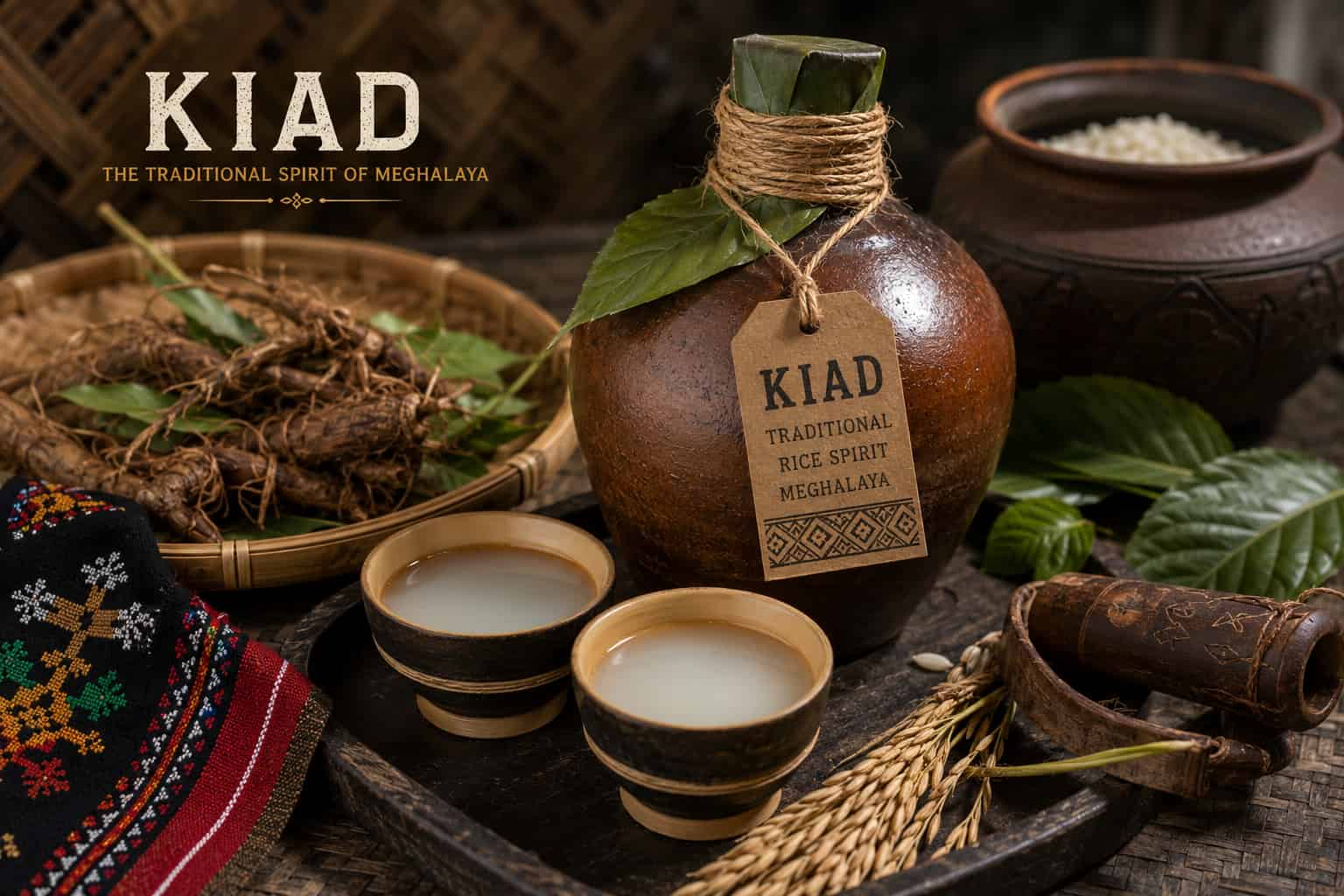
The Pnar community’s Kiad is a distilled variety, often stronger than rice beers, noted for its unique fermentation using Thiat (starter) and medicinal leaves.
-
Chang/Tongba (Sikkim):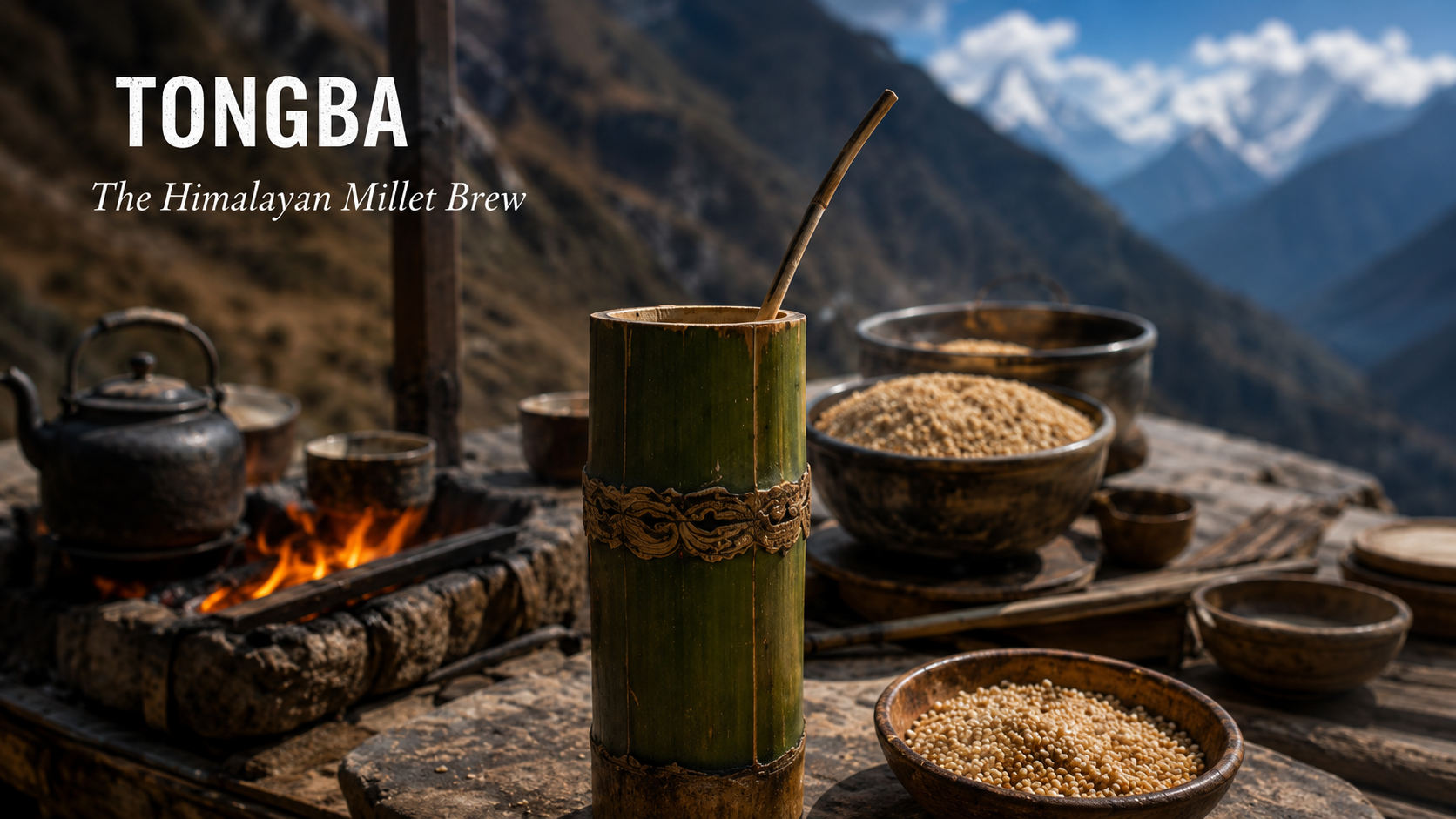
Actually a warm beverage, fermented millet is placed in a bamboo tumbler (Tongba), and hot water is poured over it, then sipped through a bamboo straw. It is comforting, yeasty, and slightly sweet.
The Startup Playbook: Innovations and Expansion Ideas
The "scope" for North Eastern brews is no longer localized. A combination of premiumization, product standardization, and storytelling can transition these brews from village courtyards to high-end urban bars.
-
Premiumization and Branding
The immediate startup idea is to position these drinks as "Ethnic Craft Spirits."
- The Opportunity: Instead of competing with commercial IMFL (India Made Foreign Liquor), a startup should aim for the space occupied by craft gins or premium sakes.
- Actionable Idea: Bottle GI-tagged Judima or a botanically-rich Apong in high-end, aesthetically designed glass bottles that tell the story of the tribe, the Thempra bark, or the E'pob plants. Offer different vintage years or "cask-finished" versions.
-
Standardization and Shelf-Life Extension
The biggest hurdle for ethnic alcohol is inconsistency and short shelf-life due to active fermentation.
- The Challenge: Traditional brews spoil within days.
- Actionable Idea: Startup innovators must invest in technology R&D for pasteurization methods that kill the yeast without compromising the delicate, ethnic flavor profile, or developing micro-filtration techniques used in sake production. Creating standardized "ready-to-distill" or "ready-to-ferment" kits for home brewers could also be a unique niche.
-
Modernizing Formats and RTDs (Ready-to-Drink)
The younger demographic prefers convenient, lower-alcohol formats.
- The Opportunity: The RTD market in India is booming.
- Actionable Idea: Launch canned, sparkling versions of Zutho or Apong. Create fusion profiles "Kiad with Ginger & Lime" or "Millet Beer with Local Khasi Mandarin." Position them as healthier, gluten-free, or "probiotic" alternatives to beer.
-
Utilizing Local Flora as Botanicals
Many North East brews rely on unique medicinal barks, leaves, and fruits for fermentation and flavor.
- The Opportunity: The global "Gin Renaissance" is driven by botanical uniqueness.
- Actionable Idea: Do not just focus on rice or millet as the base. Startups can innovate by using the unique starter barks themselves to create ethnic gins or liqueurs. Imagine a distilled spirit that uses the barks of Albizia myriophyllum (used in Manipur’s Yu) as its primary botanical.
Also Read:Exploring India’s Iconic Local Drinks: Tradition, Flavors, and Heritage
International Scope and Acceptability: The New Sake?
The scope for international acceptance is significant, provided the product is modernized without losing its soul. The roadmap has already been drawn by other ethnic spirits.
- The Sake Parallel: Like Sake, NE rice brews are based on rice fermentation. If Sake could move from a localized Japanese drink to a staple in international fine dining, Judima and Apong can do the same.
- The Global Craft Trend: International consumers in New York, London, and Tokyo are actively seeking authentic, transparently-sourced, and "story-rich" craft spirits. They are moving away from homogeneous commercial brands. The GI tag of Judima provides the necessary credibility of origin.
- Storytelling as Marketing: The international market will not buy the brew just for its ABV (Alcohol By Volume); they will buy it for the narrative. The startup that succeeds globally will be the one that can effectively sell the Hornbill festival, the Naga warrior heritage, or the peaceful serenity of the Sikkimese Himalayas within the bottle.
The Caveats: Excise and Sensitivity
While the opportunity is immense, innovators must navigate two complex landscapes:
- Legal Hurdles: India’s excise laws are strict, archaic, and vary by state. Standardizing a traditionally made product for commercial sale requires rigorous FSSAI compliance and licensing, which can be capital-intensive.
- Cultural Sensitivity: These drinks are sacred. Commercializing them requires close collaboration with the tribal communities to ensure that the heritage is respected, cultural intellectual property is protected, and the communities benefit economically from the "Liquid Gold" that was, for centuries, exclusively theirs.
Auther : Vikram Sethi – Beverage Industry Journalist
Vikram Sethi is a beverage industry journalist with 11+ years of experience. He covers product launches, brand updates, and market movements in the drinks industry.
.png)