What is the Difference Between Bourbon, Scotch, and Rye? (The Ultimate Guide)
2026-03-12
.png)
_1785317074.webp)
Tequila has emerged as the fastest-growing global spirit, surpassing gin as consumers embrace premium, 100% blue agave options and lower-calorie cocktails. This article examines market growth, health perceptions, congeners, agavin myths, sugary mixers, and why moderation and premium sipping culture continue to strengthen tequila's worldwide popularity.
For the past decade, the global spirits market has been entirely defined by the "Ginnaissance." But the tide is definitively turning. Today, consumers are dropping their oversized Copa glasses and botanical tonic waters in favor of sleek sipping glasses and skinny margaritas. Tequila has rapidly transitioned from a late-night, high-energy party shot into a sophisticated, premium spirit of choice.
Behind this monumental shift is a driving force that goes beyond just taste or mixology: the growing consumer perception that tequila is a "healthier" or "less harmful" alcohol. Let’s break down the staggering consumption statistics driving this trend and explore the actual science behind tequila’s massive health halo.
To understand the magnitude of this shift, we have to look at the global consumption data. Gin and tequila have been the two major success stories of the modern spirits market, but their current trajectories are moving in vastly different directions.
According to IWSR (International Wine and Spirits Record) analysis, global gin volumes experienced a healthy Compound Annual Growth Rate (CAGR) of +6% between 2017 and 2022. During that exact same period, however, global tequila volumes (excluding its home market of Mexico) accelerated at an astonishing +11% CAGR.
The divergence is even more apparent when looking at future forecasts. The gin boom in historically dominant markets like the UK and Spain has largely run its course. As a result, global gin volumes are projected to grow at a much slower +3% CAGR between 2022 and 2027. By stark contrast, tequila is forecast to expand at a volume CAGR of +9% over that same five-year timescale.
Tequila is now recognized as the fastest-growing spirits category worldwide. But what is driving this aggressive takeover? A major factor is the wellness-conscious consumer who believes that if they are going to drink, they should drink the "cleanest" option available.
When we discuss "healthy alcohol," it is crucial to state a medical reality: no alcohol is truly healthy. Alcohol provides empty calories without essential nutrients, and ethanol inherently impacts the liver and nervous system. However, harm reduction is a massive consumer trend. Drinkers are actively seeking out clear spirits, like vodka, gin, and tequila, because they are lowest in sugar and calories, making them easiest for our bodies to metabolize.
In this arena of harm reduction, Blanco (unaged) tequila shines for a few specific reasons:
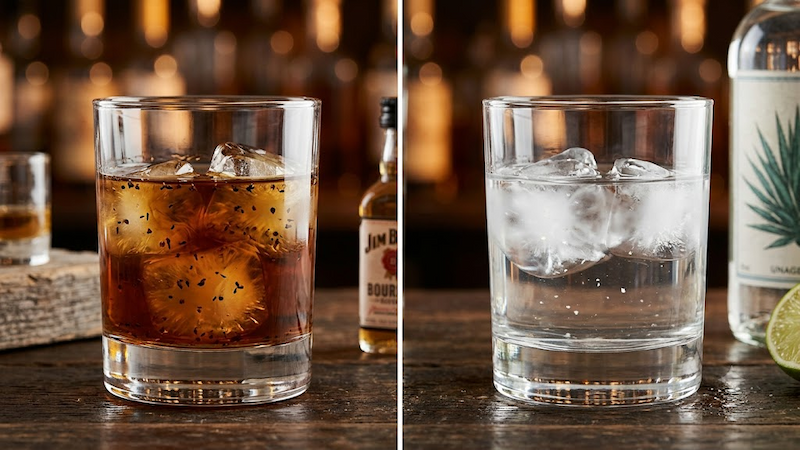
The primary reason people report feeling "better" experiencing less bloat, fatigue, and headaches after drinking tequila compared to whiskey or rum comes down to congeners. Congeners are chemical compounds, such as tannins and acetaldehyde, produced during the fermentation and distillation of alcohol. Research suggests that alcoholic beverages with more congeners usually cause much more severe hangover symptoms.
Clear spirits, specifically blanco tequila, contain significantly fewer congeners than dark, oak-aged liquors. Because blanco tequila is bottled immediately after distillation without resting in wood (unlike Reposado or Añejo tequilas), it remains a "cleaner" spirit, resulting in a noticeably milder morning-after for many drinkers.
.png)
It is important to note that the health trend is strictly tied to tequila made from 100% blue agave. Lower-quality tequilas (known as "mixtos") only require 51% agave, with the remaining 49% often coming from cheap, hangover-inducing cane sugars. Premium 100% blue agave tequila has zero added sugars, meaning it won't trigger the aggressive blood sugar spikes associated with heavily flavoured mixed drinks. Furthermore, consuming it pure means you are consuming fewer artificial additives.
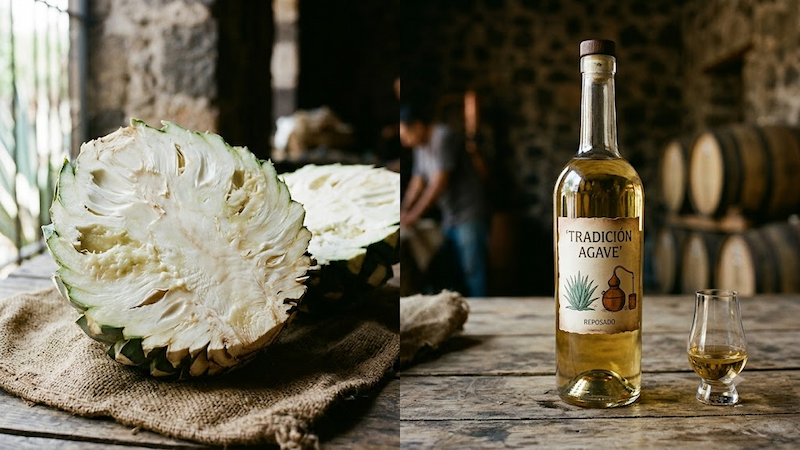
A lot of tequila's "healthy" reputation stems from natural compounds found in the raw blue agave plant called fructans, or "agavins". Agavins have been shown to possess prebiotic effects and digestive benefits.
This science sparked a massive viral trend claiming that drinking tequila aids digestion. However, there is a catch. Once the agave is fermented and distilled to create alcohol, the vast majority of those beneficial fructans are completely broken down, meaning the actual health impact in the glass is minimal. Despite this reality, the marketing narrative stuck, and consumers continue to associate tequila with the natural, plant-based purity of the agave.
The shift away from gin is as much about the mixer as it is about the spirit itself. The classic Gin & Tonic was the engine behind the gin boom. However, consumers eventually woke up to the fact that commercial tonic water is loaded with sugar often containing just as many calories and carbohydrates as a non-diet soda. Furthermore, as the gin market expanded, it became flooded with heavily sweetened "flavored pink gins," which alienated health-conscious drinkers.
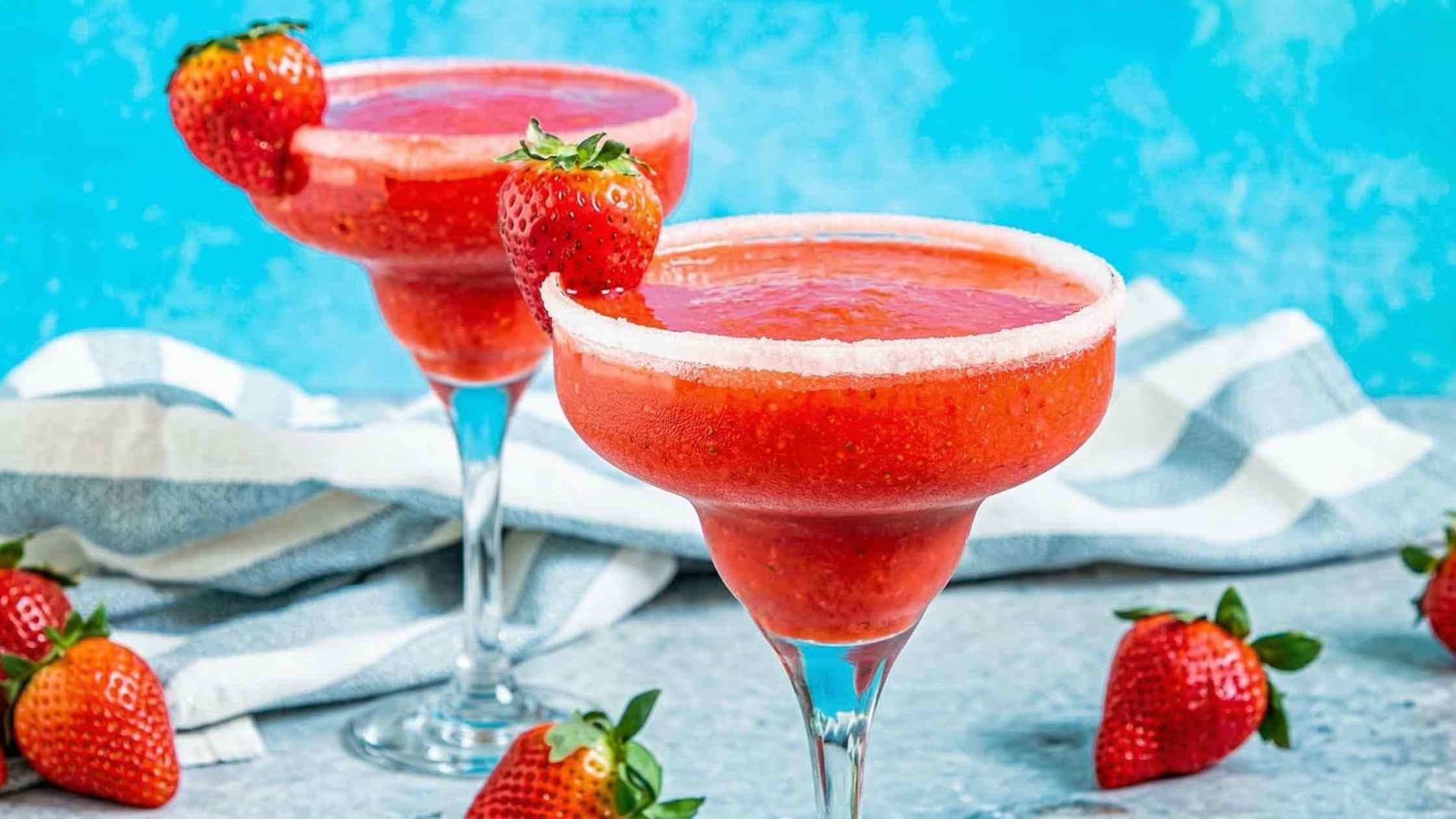
Tequila, conversely, has leaned perfectly into the wellness trend. The meteoric rise of the "Skinny Margarita" (tequila, fresh lime juice, and a splash of agave nectar) or the simple "Tequila Soda" has allowed drinkers to enjoy a flavorful cocktail without the heavy carbohydrate load.
Ultimately, the most important factor for reducing health risks isn't the type of alcohol you drink, but rather the quantity and frequency of consumption. This is where tequila's premiumization gives it a distinct edge over gin.
Even the brands that initiated the gin revival are almost exclusively consumed mixed. Very little gin is sipped neat or consumed on the rocks. Tequila, however, has built a diverse ladder of age categories that encourages high-end sipping and savoring. When consumers sip a high-quality 100% agave tequila neat or over ice, they inherently consume less volume than they would knocking back pints of Gin & Tonic. This aligns perfectly with the modern wellness mantra of "drink less, but drink better."
The pivot from gin to tequila isn't a fleeting fad; it is backed by a fundamental change in how people drink. Consumers are prioritizing quality, natural ingredients, and clear spirits with lower congener profiles. As long as wellness, harm reduction, and premiumization continue to dominate consumer habits, tequila's reign as the fastest-growing spirit category worldwide is guaranteed to last.